

Understanding the psychological triggers behind casino gambling habits
The Allure of Risk and Reward
The concept of risk and reward is central to understanding gambling behavior. Many individuals are drawn to casinos by the thrill of potential gain, often outweighing the fear of loss. This psychological phenomenon is closely tied to the brain’s reward system, where the anticipation of a win triggers dopamine release. Players often chase the exhilaration that comes with a big win, which can lead to repetitive gambling habits. To enhance your gaming experience, consider exploring a reputable neosurf casino that offers seamless transaction processes.
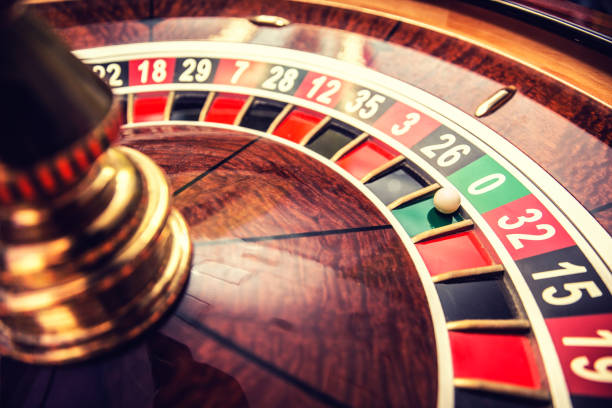
Moreover, the excitement associated with gambling creates a unique emotional experience. The vibrant environment of casinos, filled with sounds, lights, and social interactions, enhances this feeling. As players engage more, they may start to form an emotional attachment to the game, driving them to return even when faced with losses.
The Role of Cognitive Dissonance
Cognitive dissonance occurs when an individual’s beliefs and actions are in conflict. In the context of gambling, players may rationalize their losses by convincing themselves that they will win back their money in future sessions. This rationalization serves to alleviate the discomfort associated with their behavior, allowing them to continue gambling despite negative outcomes.
This mental gymnastics can perpetuate a cycle of gambling, as individuals often focus on their wins rather than their losses. The more they engage in this behavior, the stronger the belief in future wins becomes, further entrenching their gambling habits and making it difficult to break free from the cycle.
Social influences play a crucial role in shaping gambling habits. Peer pressure and social validation can drive individuals to participate in gambling activities, often leading to increased frequency and intensity of play. When surrounded by others who gamble, individuals may feel compelled to join in, viewing it as a social norm.
Additionally, the community aspect of gambling can further enhance the experience. Shared stories of wins and losses create a sense of belonging, which can lead to more frequent visits to casinos. This social dynamic fosters an environment where gambling is normalized, making it difficult for individuals to recognize harmful patterns in their behavior.
The Psychological Impact of Near Misses
Near misses, where a player comes close to winning but falls short, can significantly impact gambling behavior. These experiences often reinforce the idea that a win is just around the corner, encouraging players to continue gambling. Research shows that near misses activate the same reward pathways in the brain as actual wins, making the experience exhilarating and compelling.
This phenomenon can lead to persistent gambling habits, as individuals mistakenly believe they are on the verge of success. The brain’s wiring for reward can distort their perception of risk and lead to repeated gambling, despite the financial consequences that may arise.

Your Trusted Resource for Responsible Gambling
Understanding the psychological triggers behind gambling habits is crucial for fostering responsible gaming practices. By recognizing the emotional and social factors at play, players can make informed decisions about their gambling behavior. It is essential to prioritize a safe and enjoyable gaming experience while remaining aware of personal limits.
Our website is dedicated to providing comprehensive resources, including responsible gambling tips, game reviews, and strategies for managing your gaming habits. With a focus on education and support, we aim to enhance your casino experience while promoting healthy gambling practices.
“`